
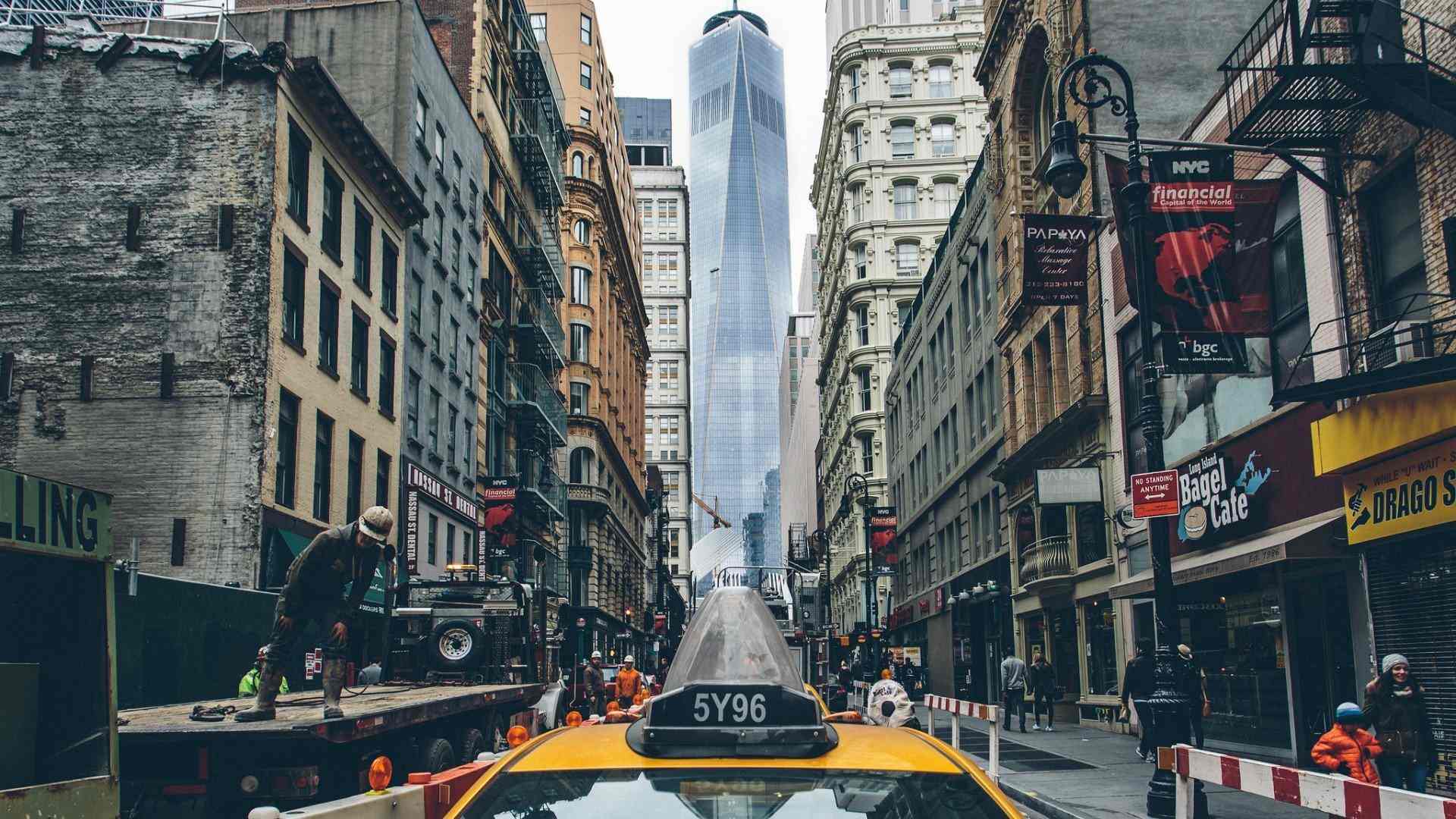
New York City is among the most popular travel locations in the United States. Traveling to NYC can be for business or pleasure. But any traveler is likely to agree that trains can get you to New York City better, faster, and more efficiently. New York City is a major train hub. Amtrak travels its signature Northeast Corridor through New York, while regional train services have connections to New York City from cities across the entire country.
Do you want to know more about traveling to New York City via train? This guide offers you a wealth of information including, but not limited to, an ins and outs of the train services that travel to New York City, popular routes for travelers, ticket prices, how to book tickets, train stations, and more. It doesn’t matter if you travel to New York City frequently or are traveling there for the first time; the information will benefit all travelers to the city.
Why Take a Train to New York? Top Reasons to Choose Train Travel
Taking the train to New York City could be considered an experience of its own. Here are the most significant reasons the certain amount of travelers prefer using the Train:
1. Convenience and City-Center Access
Unlike air travel, train travel brings you into the center of NYC. Amtrak and alternative train services terminate at Penn Station (Moynihan Train Hall) located in midtown Manhattan. This means you will be a few moments away from your hotel, Times Square, the subway, and many other attractions. There are no lengthy drives from distant places, no shuttle buses, or extra transfers.
2. Comfort and Space
Modern Amtrak trains have roomy seats, dining cars, and generous legroom that is much better than economy airlinestyle legroom. Also onboard, you can find Wireless Internet and power outlets. You even have the freedom to move about during your trip! All this, while you’re watching the American landscape outside the windows.
3. Eco-Friendly Travel
One passenger mile on a train uses less fuel than a mile per passenger on a car or plane, so, for an environmentally friendly trip to New York, train travel is the best option.
4. No Airport Hassle
You won’t have to deal with TSA lines that stretch for hours and weight limitations on your luggage. nor will you have to arrive two hours early because, at the train station, you check in and board at your convenience. Train travel is more chill.
5. Scenic Views
Traveling from Boston, Philadelphia, Washington D.C. or even Chicago, you will see spectacular views from land of the eastern coastline, rolling hills, and city skylines that no airplane can capture.
6. Affordable Options
Given Amtrak’s adaptable ticketing, advance booking deals, and a variety of fare categories, train travel has the potential to be quite budget-friendly, and an especially better option compared to booking airfare on short notice, or the total cost of driving (gas + tolls + parking in NYC).
| Benefit | Train | Plane | Car |
| City Center Arrival | Yes (Penn Station, Midtown) | No (JFK/LGA/EWR) | Depends |
| Baggage Restrictions | Very Flexible | Strict | None |
| Carbon Footprint | Low | High | Medium-High |
| Comfort Level | High (Spacious Seats) | Economy – Cramped | Variable |
| Security Lines | None / Minimal | Long TSA Lines | None |
| Onboard Wi-Fi | Available | Paid/Limited | N/A |
| Scenic Experience | Excellent | None | Good |
| City Parking Cost | None | None | $40-$80/day in NYC |
Which Trains Go to New York? Major Train Services Explained
Different train operators provide varying range and fare services in New York City. They can be grouped like this:
Amtrak – The National Train Carrier
Amtrak is the only long distance and intercity train service in America. Amtrak serves New York Penn Station in many ways such as the Acela, Northeast Regional, and long-distance service. For passengers traveling from Washington D.C., Philadelphia, Boston and many other cities, Amtrak is the only option.
Acela – Premium High-Speed Train
The Acela is Amtrak’s own, top tier service and the only high speed train in North America. It travels from Washington D.C. to Boston, stopping in New York, at a world-class, 150 mph. It features First Class and Business Class, as well as, specially designed quiet cars. In First Class, riders get complimentary meals. Business travelers, or anyone who likes a shiny new experience, is the typical Amtrak Acela customer.
Northeast Regional – Budget-Friendly Intercity
Amtrak’s Northeastern Regional (NER) is the most heavily-used Amtrak service. It provides a cost-effective option for traveling among Boston, Providence, New York, Philadelphia, Baltimore, and Washington D.C. Compared to Acela, NER tickets are some of the best values of any regional rail. Although customers will have to spend more time on the train, the comfort level of the NER service is excellent and more affordable than Acela.
Empire Service – New York to Chicago/Midwest
The Empire Service connects New York Penn Station with Albany, Rochester, and Buffalo and connects to the Lake Shore Limited for Chicago service. This service is a great option for those traveling from upstate New York and the Midwest.
Vermonter – New England to New York
The scenic New England corridor option, the Vermonter, travels from New York’s Penn Station through Springfield, MA, New Haven, CT, and St. Albans, VT.
Crescent – New York to the Deep South
The Crescent connects New York Penn Station to New Orleans with a daily stop in New Orleans. Along the way, it stops in Philadelphia, Washington D.C, Charlotte, Atlanta, and Birmingham. This route shows the typical long-distance travel options for people in or traveling to the South.
Silver Service – New York to Florida
The Silver Star and Silver Meteor trains run the length of the East Coast from New York to Miami. They stop in Savannah, Jacksonville, Orlando, and Tampa. Good option if you are headed to/from Florida.
NJ Transit & Metro-North – Commuter Train
NJ Transit and Metro-North run frequent and inexpensive commuter Train service into Penn Station and Grand Central Terminal respectively. These are great options for people coming from New Jersey or the New York suburbs.
| Train Service | Route | Speed | Best For |
| Acela | Washington D.C. – NYC – Boston | Up to 150 mph | Business / Premium travelers |
| Northeast Regional | Boston – NYC – D.C. | Up to 125 mph | Budget intercity travel |
| Empire Service | NYC – Albany – Buffalo – Chicago | 79-110 mph | Midwest connections |
| Vermonter | Vermont – Springfield – NYC | 79 mph | New England travelers |
| Crescent | NYC – Atlanta – New Orleans | 79 mph | South/Southeast USA |
| Silver Meteor/Star | NYC – Orlando – Miami | 79 mph | Florida travelers |
| NJ Transit | New Jersey suburbs – Penn Station | 60-80 mph | Commuters from NJ |
| Metro-North | CT/Westchester – Grand Central | 60-80 mph | Commuters from CT/NY suburbs |
Popular Train Routes to New York From Major US Cities
New York City is the starting point for a million trains bound for a million other cities. Following, are the most frequently used train lines for travel into New York from the most populous American cities.
Washington D.C. to New York by Train
In the United States, this is one of the most traveled train paths. The Amtrak Acela takes about 2 hours and 45 minutes to complete the 225 mile route, while the Northeast Regional takes about 3 hours and 30 minutes. Due to the high frequency of train schedules, this route is very popular.
Philadelphia to New York by Train
The distance between Philadelphia and New York is only 95 miles. The Acela travels this distance in 1 hour. The Northeast Regional makes the trip in 1 hour and 20 minutes. This route is one of the most popular in America with many trains leaving each day.
Boston to New York by Train
Boston South Station and New York Penn Station are around 215 miles apart. The Acela does the trip in about 3 hours 30 minutes, and the Northeast Regional takes about 4 hours 30 minutes. There are numerous departures all day.
Chicago to New York by Train
The Lake Shore Limited goes overnight from Chicago Union Station to New York Penn Station in a beautiful 957-mile long trip that lasts about 19-20 hours. Even though it takes a long time, it’s a rare cross-country Train experience that takes you through the Great Lakes and Hudson Valley.
Atlanta to New York by Train
The Crescent is an 861-mile train route stretching between Atlanta and New York. Travelers can expect an 18 – 19 hour trip. The Crescent travels through the Carolinas and Mid-Atlantic.
New Haven to New York by Train
New Haven is a university city due to being home to Yale University. For being one of the most frequently serviced universities in the Northeast, Metro-North’s New Haven Line and Amtrak’s Northeast Regional Line make frequent trips to New Haven. Commuting to New Haven takes around 1 hour 45 minutes to 2 hours.
| Origin City | Train Service | Distance | Travel Time | Approx. Ticket Price |
| Washington D.C. | Acela / NE Regional | 225 miles | 2h 45m – 3h 30m | $49 – $250+ |
| Philadelphia | Acela / NE Regional | 95 miles | 1h – 1h 20m | $18 – $130+ |
| Boston | Acela / NE Regional | 215 miles | 3h 30m – 4h 30m | $49 – $220+ |
| Chicago | Lake Shore Limited | 957 miles | 19 – 20 hours | $79 – $350+ |
| Atlanta | Crescent | 861 miles | 18 – 19 hours | $75 – $280+ |
| New Haven | Metro-North / Amtrak | 73 miles | 1h 45m – 2h | $15 – $60+ |
| Providence | NE Regional | 180 miles | 3h – 3h 30m | $30 – $110+ |
| Baltimore | Acela / NE Regional | 185 miles | 2h 30m – 3h | $35 – $180+ |
New York Train Travel: Schedule, Duration & Ticket Tips
New York Train is streamlined after understanding the schedule structure and the best value ticket features.
Train Frequency
It’s nearly an hourly occurrence or less for Amtrak trains on the Northeast Corridor (NEC) between the major cities. These trains encompass the D.C. and Boston bound Acela trains, which make 10-12 RTTs in a single day, and the Northeast Regional, which should compete for the most frequent train of the day at 30 minute intervals during peak hours between New York and Philadelphia.
Early Morning vs. Evening Trains
You can usually expect trains around 5:00 AM – 8:00 AM and after 8:00 PM to be less crowded and more affordable. Trains during the rush window (7:00 – 9:00 AM and 4:00 – 7:00 PM) fill up the fastest and are the most expensive, because those are the times most other travelers are hitting the trains to do business.
Weekend vs. Weekday
Weekend trains (especially Friday afternoon and Sunday evening trains from NYC to DC or Boston) are popular and sell out. For weekend trips, book at least 2-3 weeks ahead. Weekday trains that leave around mid-morning or mid-afternoon tend to be cheaper and have more room.
Ticket Types
- Saver (Non-Refundable): Lowest price, limited availability, no changes/refunds
- Value: Slightly higher, some flexibility
- Flexible: Fully refundable and changeable, higher price
- Business Class: Reserved spacious seating, complimentary drinks on some routes
- First Class (Acela only): Premium seats, complimentary meals and beverages
Pro Tip: Set Fare Alerts
Amtrak occasionally has sales on their fares. Discounts can be 30 – 50% off and are most commonly found if you are a member of the Amtrak Guest Rewards Program and email subscriber. The most competitive offers are usually listed around 1-3 months ahead of the train’s departure.
New York Train Travel Tips for First-Time Passengers
If this is your first time taking a train to New York City, here are essential tips to make your journey smooth and enjoyable:
- Arrive at the Station Early: While trains do not require 2-hour early arrivals like flights, aim to arrive 20-30 minutes before departure to find your platform and board comfortably.
- Download the Amtrak App: Use the official Amtrak app to view your ticket, get real-time train status updates, and receive platform announcements.
- Reserve Your Seat: On most Amtrak trains, seats are reserved. Choose window seats on the correct side for the best views (ask online or check route maps).
- Bring Snacks and Entertainment: Long-distance routes (Chicago, Florida, Deep South) can take many hours. Stock up on snacks, download movies or podcasts, and bring a good book.
- Pack Light for Short Trips: Each passenger can bring 2 carry-on bags and 2 personal items for free. Large checked baggage is available at select stations.
- Use the Quiet Car: Most Amtrak trains have a designated quiet car where phone calls and loud conversations are not permitted – great for work or relaxation.
- Know Your Station: Amtrak trains arrive at Penn Station (Moynihan Train Hall) for most routes. Metro-North trains arrive at Grand Central Terminal. Know which station your train uses.
- Book in Advance: The cheapest fares sell out quickly. Book 30-60 days ahead for the best Saver fares, especially on popular corridors.
- Consider a Train Pass: If you plan to travel multiple routes, an Amtrak USA Train Pass can offer significant savings over individual tickets.
- Check for Delays: Amtrak trains sometimes run late, particularly long-distance routes. Build buffer time into your schedule if you have connecting plans.
Direct and Connecting Train Routes to New York
Most routes (Washington D.C., Philadelphia, Boston, New Haven) that are short to medium distance have direct, non-stop train options that arrive at New York Penn Station. Longer routes may involve connecting trains.
Direct Routes
You can take a direct train to New York from: D.C., Baltimore, Philly, Providence, Boston, New Haven, Hartford, Springfield, Albany, Buffalo, and various New Jersey/Connecticut suburbs on commuter Train.
Connecting Routes
Travelers from Chicago, Cleveland, and Detroit (Midwest) as well as travelers from cities in the South (New Orleans, Atlanta, Charlotte) and Florida (Miami, Orlando, and Tampa) can reach New York with only one transfer or on a long-distance train with no transfers. For example, the Crescent runs from South cities and reaches New York Penn Station with no transfers.
Multi-City Itineraries
Amtrak makes it easy to build multi-city itineraries. A popular circuit might include: New York → Washington D.C. → Philadelphia → New York, or a classic Northeast loop covering Boston, New York, and Philadelphia in one trip.
| Route | Direct or Connecting | Key Stop(s) |
| Washington D.C. to NYC | Direct | Baltimore, Philadelphia |
| Boston to NYC | Direct | Providence, New Haven |
| Chicago to NYC | Direct (overnight) | Cleveland, Buffalo, Albany |
| Atlanta to NYC | Direct (overnight) | Charlotte, D.C., Philadelphia |
| Miami to NYC | Direct (overnight) | Jacksonville, Savannah, D.C. |
| New Orleans to NYC | Direct (overnight) | Atlanta, Charlotte, D.C. |
| Detroit to NYC | Connecting via Chicago | Toledo, Cleveland |
| Dallas to NYC | Connecting via Chicago | Kansas City |
Business Class vs Coach on New York Trains
What kind of traveler are you: economy or business class? Your answer would depend on the length, cost, and comfort preferences for the trip. Take a look at these comparisons.
Coach Class
Coach refers to Amtrak’s standard class for all their train models. Passengers are greeted with reclining seats complete with a footrest, tray tables, and power outlets. This is ideal for a 4-hour train ride from Boston to New York with the Northeast Regional. This class of seating is just fine. The seats are already reserved prior to the trip so you’re ensured to have a seat, and the ride includes Wi-Fi. Passengers also have access to the cafe car.
Business Class
Business Class on Amtrak’s Northeast Regional and other trains has:
- Comfy leather-style seats with more space
- Quiet cars
- At-seat service with drinks (no alcohol)
- Complimentary drinks
When considering if this is better than First Class, the general consensus is: First Class is for short trips, Business Class is for long trips. Business Class tickets are around 20-50% more than Coach tickets.
Acela First Class
Acela First Class offers exclusive First Class cars, free meals (time of day determines the meal served), free premium beverages (including wine and cocktails), free wider seats, and free priority boarding. First Class is a big step up with a big step up in cost.
| Feature | Coach Class | Business Class | Acela First Class |
| Seat Width | Standard Recliner | Wide, Leather-Style | Premium Wide Seat |
| Legroom | Good | More Legroom | Excellent |
| Wi-Fi | Yes (Free) | Yes (Free) | Yes (Premium) |
| Power Outlets | Yes | Yes | Yes |
| Complimentary Drinks | No | Yes (Non-Alcoholic) | Yes (Full Service) |
| Complimentary Meals | No | No | Yes |
| Priority Boarding | No | Yes | Yes |
| Dedicated Car | No | Yes | Yes |
| Approx. Price Premium | Base Fare | +20-50% over Coach | +100-200% over Coach |
New York Train Station: Everything You Need to Know About Penn Station & Moynihan Train Hall
Downtown Manhattan’s area of 8th Avenue between West 31st and West 33rd Streets is where Moynihan Train Hall (and Penn Station) is found, and is arguably the most important transport hub in the world because it is New York City’s main rail station.
Penn Station (New York Penn Station)
Operating under Madison Square Garden, Penn Station is the busiest transportation facility in the Western Hemisphere, housing more than 600.000 passengers a day. Penn Station hosts Amtrak intercity trains, NJ Tranist commuter trains, and Long Island Railroad (LIRR) services. Despite being underground, Penn Station is well staff and employs signage to help customers.
Moynihan Train Hall
In 2021, Penn Station had a great upgrade: the Moynihan Train Hall. Moynihan Train Hall is next to Penn Station, in the elegant, newly restored, historic James A. Farley Post Office. With upgraded ticketing options, elegant post-travel dining, and large, comfortable waiting areas, this facility is tremendous. It even has a massive glass atrium. Amtrak passengers, this venue is for you.
Facilities at Penn Station / Moynihan Train Hall
- Amtrak Lounge (Metropolitan Lounge for Business and First Class passengers)
- Multiple dining options, from fast food to sit-down restaurants
- Retail shops and newsstands
- Accessible facilities for passengers with disabilities
- Baggage storage and checked baggage services
- ATMs and currency exchange nearby
- Direct connections to NYC subway (A, C, E, 1, 2, 3 lines)
Grand Central Terminal
Metro-North train passengers from Westchester County and Connecticut arrive at Grand Central Terminal, one of the great train stations of the world, at 42nd Street and Park Avenue. Amtrak does not serve Grand Central.
New Haven Union Station
Travelers going to New Haven, Connecticut, use the New Haven Union Station for Amtrak and Metro-North. An example of historic Beaux-Arts architecture, this station connects to routes throughout the Northeast Corridor. Metro-North departs New Haven for the scenic waterfront route to Manhattan through Greenwich, Stamford, and Bridgeport.
Facilities available at New Haven Union Station include; parking, ticket sales, waiting areas, a restaurant, and a rental car and taxi/rideshare pickup zone.
How to Book Train Tickets to New York: Step-by-Step Guide
Booking a train ticket to New York is straightforward. Here is a step-by-step guide:
Step 1: Go to Amtrak.com or Download the App
Visit www.amtrak.com on your browser or download the Amtrak app (available on iOS and Android). The website and app are both user-friendly and offer the same fares.
Step 2: Enter Your Trip Details
Enter your origin city, destination (New York Penn Station), travel date, number of passengers, and whether you want a one-way or round trip. Click ‘Find Trains.’
Step 3: Browse Available Trains and Fares
A list of available trains will appear, showing departure times, arrival times, travel duration, and fare options (Saver, Value, Flexible, Business, First Class). Review carefully and compare.
Step 4: Select Your Train and Fare
Click on your preferred train and fare type. You will then be prompted to select your specific seat from a seat map (on most routes).
Step 5: Create or Log Into Your Amtrak Account
You can book as a guest, but creating a free Amtrak Guest Rewards account allows you to earn points on every trip, store your preferences, and access member-only promotions.
Step 6: Enter Passenger Information
Enter the names and contact details of all passengers. For Amtrak, ID matching is important – ensure names match your government-issued ID.
Step 7: Apply Discounts
Check available discounts: AAA members, seniors (65+), students, military personnel, and children (2-12) are all eligible for discounts. Amtrak Guest Rewards points can also be redeemed for free or discounted tickets.
Step 8: Select Add-Ons
You may have the option to add checked baggage, travel protection insurance, or seat upgrades at this stage.
Step 9: Review and Pay
Review your entire booking – train, date, fare, passenger names, and total price. Enter your payment method (credit/debit card) and confirm.
Step 10: Save Your Ticket
After booking, you will receive an email confirmation with an e-ticket QR code. Save it in the Amtrak app or take a screenshot. This QR code is your ticket – the conductor will scan it onboard.
New York Train Ticket Price: How Much Does It Cost & How to Save Money
Train ticket prices to New York differ based on the route, the class of the ticket, how early the ticket was purchased, and the time of travel. Traveling on a train can be a little transactional and a lot confusing. An explosion of ticketing apps and services has made things more of a hassle to keep track of! Here is a price summary Preview:
| Route | Coach (Saver) | Coach (Flexible) | Business Class | First Class (Acela) |
| Philadelphia – NYC | $18 – $35 | $45 – $75 | $65 – $100 | N/A |
| Washington D.C. – NYC | $49 – $79 | $99 – $150 | $125 – $180 | $150 – $350+ |
| Boston – NYC | $49 – $89 | $109 – $160 | $130 – $200 | $160 – $380+ |
| Chicago – NYC | $79 – $149 | $160 – $250 | $220 – $350 | N/A |
| Atlanta – NYC | $75 – $130 | $150 – $230 | $210 – $320 | N/A |
| Miami – NYC | $89 – $159 | $170 – $280 | $230 – $380 | N/A |
| New Haven – NYC | $15 – $30 | $35 – $60 | N/A (Metro-North) | N/A |
Top Money-Saving Tips for Train Tickets to New York
- Book 30-60 Days in Advance: Saver fares are limited and sell out fast. The earlier you book, the more you save.
- Travel Mid-Week: Tuesday, Wednesday, and Thursday trains are generally cheaper and less crowded than Friday/Sunday trains.
- Travel Off-Peak Hours: Early morning or late evening trains cost less than peak rush hour trains.
- Use Amtrak Guest Rewards: Earn 2 points per dollar spent on Amtrak and redeem them for free tickets.
- Check for Sales and Promotions: Amtrak’s website runs periodic flash sales (often 20-40% off) during holidays and slow booking periods.
- Student and Senior Discounts: 15% discount for students and passengers 65+. Children ages 2-12 get 50% off.
- AAA and Corporate Discounts: AAA members get 10% off. Many corporations have negotiated Amtrak corporate rates.
- Buy Round Trips: Sometimes booking a round trip costs less than two one-way tickets.
- Consider the Train Pass: If visiting multiple cities, an Amtrak USA Train Pass (10 trips in 30 days) may offer the best per-trip value.
Best Time to Visit New York by Train: Seasonal Travel Tips
New York sees the biggest influx of visitors year-round. Every season has something different to offer. For the various seasons here is what to expect if you visit by train:
Spring – Best Season Overall
There are many reasons to visit New York in the Spring and taking the train can be one of the best ways to get there. It can be much easier and quicker to take the train due to the spring weather (between 50 – 65 degrees). Train travel allows you to see blooming flowers around Central Park. It can be a revitalizing trip for many. Plan ahead to guarantee tickets, as the Spring Break crowd can buy all available tickets on the train (between the 2nd and 3rd week of March).
Summer – Peak Tourist Season
Summer in NYC means the most traveling done throughout the year. Almost everyone visiting the city will be going to outdoor events and shows, while other locals will try to go to other events and shows. Because of traveling sales, train companies often sell out and raise their prices. In addition to the sales, the best time to try and get a reservation is about two months before when the events will happen. If you plan on going to the city, the weather will be warm and very humid so think of bringing water and dressing light.
Fall – A Hidden Gem
The train ride through the Northeast during fall is one of the most beautiful train rides. Autumn foliage captured around the fall train rides through the Hudson Valley, Connecticut, and the state of Massachusetts is exquisite. Autumn in New York City also has the New York Film Festival and the New York City Marathon. The fall weather of 50-70 degrees combined with the moderate train fares adds to the enjoyment of doing fall train rides.
Winter – Holiday Magic but Cold
New York City always has a magical quality in the winter holiday season. There are gorgeous decorations and in Central Park the trees are gloriously snow covered. From December 20th – January 2nd, the trains are packed and you should book your tickets early. The winter weather causes delays, especially on long distance routes and you should be ready for temps between 20 and 40 degrees.
| Season | Months | Weather | Crowds | Fare Level | Advance Booking Needed |
| Spring | Mar – May | 50-65°C (Mild) | Moderate | Moderate | 4-6 weeks |
| Summer | Jun – Aug | 70-90°C (Hot) | Very High | High | 6-8 weeks |
| Fall | Sep – Nov | 50-70°C (Pleasant) | Moderate | Moderate | 3-4 weeks |
| Winter | Dec – Feb | 20-40°C (Cold) | High (Holidays) | Moderate-High | 4-8 weeks (Holidays) |
Train vs Bus vs Car to New York: Which Is the Best Way to Travel?
Considering the available options to New York City requires balancing cost, comfort, time, and convenience. Here is a frank analysis of the three major non-air choices:
Train to New York
Best for: Those traveling from large East coast cities (D.C., Boston Philadelphia), Work travelers, comfort and convenience. Trains drop you right in Midtown Manhattan, provide more space than any other travel option, and avoid the hassle of parking. You won’t find a better option in the D.C.-NYC-Boston travel corridor.
Bus to New York
Greyhound, FlixBus, and Peter Pan Bus Lines all offer extremely cheap transportation options to New York, sometimes as low as $10 to $15, coming from as far as Philadelphia or D.C. However, depending on traffic, they can be very slow and uncomfortable. Buses arrive at the Port Authority Bus Terminal on 42nd St. If your main concern is budget, they are all around the most practical option.
Car to New York
It is usually not ideal for tourists to drive to New York City. Daily parking in Manhattan ranges from around $40 to $80+. Traffic can make the Lincoln Tunnel and George Washington Bridge take 1-3 hours longer than expected for those who drive. The tolls are also expensive. If you choose to drive anyway, you may want to park in New Jersey and take the NJ Transit or a NY Waterway ferry.
| Criteria | Train | Bus | Car |
| Cost (Philadelphia to NYC) | $18 – $80 | $10 – $30 | $30 – $100 (gas + tolls + parking) |
| Travel Time (D.C. to NYC) | 2h 45m – 3h 30m | 4 – 5 hours | 4 – 6+ hours (traffic) |
| Comfort Level | High | Low-Medium | Variable |
| Arrival Location | Penn Station (Midtown) | Port Authority (42nd St) | Varies (Garage/Lot) |
| City Parking Cost | None | None | $40-$80/day |
| Wi-Fi | Yes (most trains) | Yes (most buses) | Personal Data Only |
| Eco-Friendliness | Best | Good | Worst |
| Recommended For | Comfort + Convenience | Ultra-Budget Travel | Driving to suburbs |
Frequently Asked Questions
Q1: What is the best train to take to New York City?
It depends on your route and budget. Acela is fastest, while Northeast Regional is cheaper.
Q2: How much does a train ticket to New York cost?
Tickets usually range from $18 to $350+ depending on route and class.
Q3: How far in advance should I book a train to New York?
Book 30–60 days in advance for the best fares.
Q4: Which New York train station do Amtrak trains arrive at?
Most Amtrak trains arrive at New York Penn Station / Moynihan Train Hall.
Q5: Is there free Wi-Fi on Amtrak trains to New York?
Yes, most Amtrak trains offer free Wi-Fi.
Q6: Can I bring luggage on the train to New York?
Yes, Amtrak allows free carry-on luggage.
Q7: Is the Amtrak Acela worth the extra cost?
Yes for speed and comfort, but Northeast Regional is better for budget travelers.
Q8: Are there overnight train options to New York?
Yes, some long-distance Amtrak routes offer overnight service.
Q9: How do I get from Penn Station to other parts of NYC?
Penn Station connects to the subway, taxis, and rideshares.
Q10: What is the cheapest way to travel by train to New York?
Book early and choose Amtrak Saver fares for the lowest prices.