
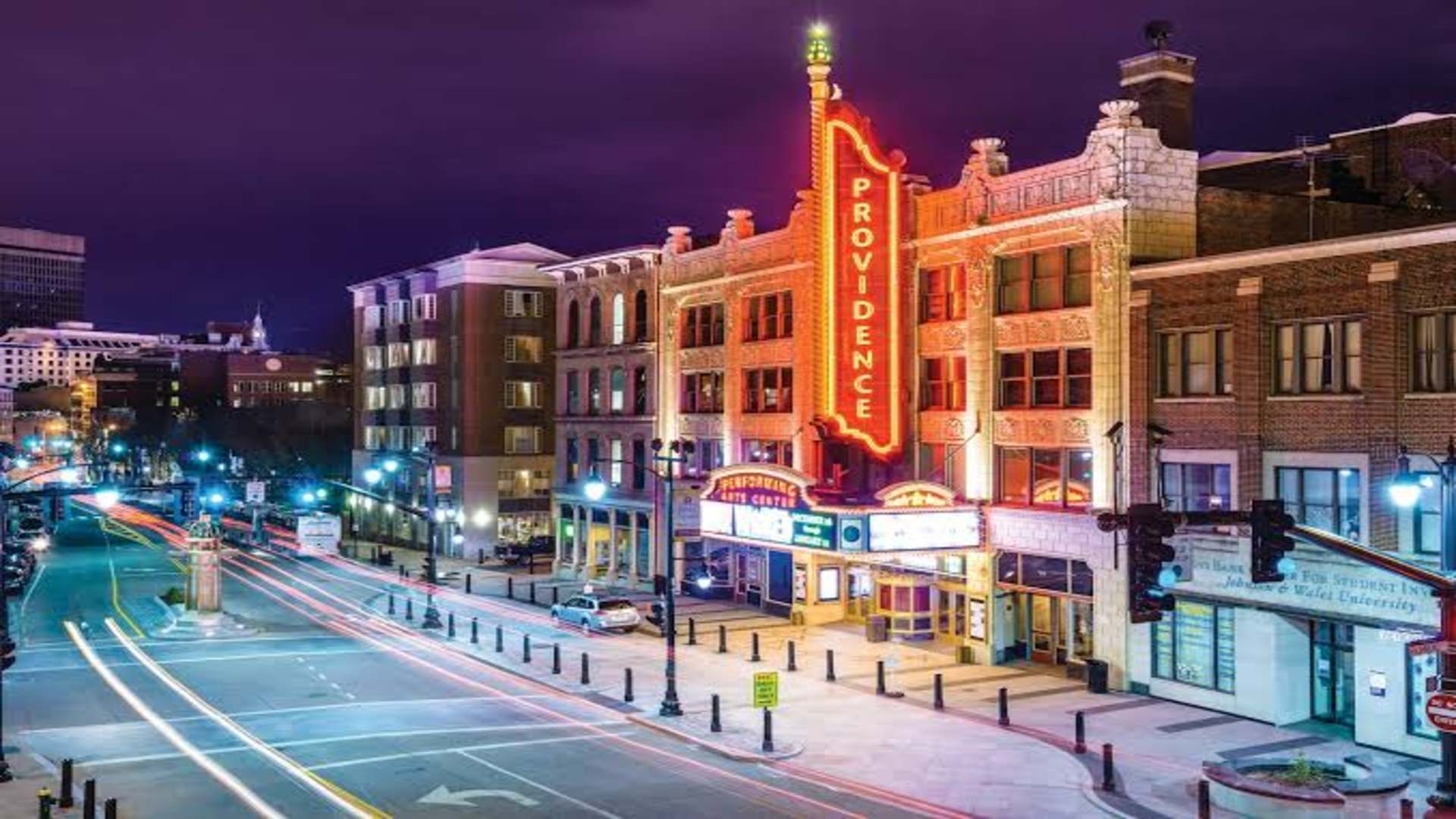
Taking the train from Boston to Providence is one of the easier rail journeys you can take in the USA. The trip is only about 44-46 miles and can take anywhere from 30 minutes to 1 hour and 10 minutes. Because of the short distance and relatively short trip time, this train route is popular among business people, students, and folks on vacation. In this article, we will give you all the information we think you will need when taking this train. We will give you our information on the train times, prices, how to get your ticket, the trainand Amtrakk station,s and anything else we feel you will need.
Why Take a Train from Boston to Providence? Top Reasons to Choose Rail Travel
There are multiple means of transport between Boston and Providence. By train is convenient for the following reasons:
- Time-saving: Amtrak Acela covers this route in just 29-36 minutes, while driving can take 55-60 minutes or more, especially with traffic.
- City-center connectivity: Both South Station in Boston and Providence Station are located right in the heart of their respective downtowns, eliminating the need for long airport transfers or taxi rides.
- Frequent departures: With combined Amtrak and MBTA services, trains run roughly every hour, offering flexible scheduling for travelers.
- No traffic stress: I-95 is notorious for congestion, particularly during peak hours. Taking the train lets you skip this hassle entirely.
- Comfortable seating and WiFi: Amtrak trains offer legroom, WiFi, and charging outlets, so you can stay productive during your journey.
- Budget-friendly options: MBTA Commuter Rail tickets start as low as 5-14, often cheaper than driving once you factor in fuel and parking costs.
Note: Whether you’re heading to Providence for a quick business meeting, a college visit, or a weekend getaway, the train is the most practical and stress-free way to travel.
Which Trains Go from Boston to Providence? Major Rail Services Explained
There are mainly three major rail services operating on this route:
| Service | Operator | Average Duration | Frequency |
| Acela | Amtrak | 29-36 minutes | Roughly every 4 hours |
| Northeast Regional | Amtrak | 34-40 minutes | Roughly every 3 hours |
| Commuter Rail (Providence/Stoughton Line) | MBTA | 60-70 minutes | Hourly |
- Amtrak offers several services in the Northeast. The Acela service is fast and offers a more comfortable environment than other rail services, with the added benefit of a premium snack and beverage service.
- The Northeast Regional service is reliable and faster than most other Amtrak services. It also offers Business Class and Coach seating. This service also stops at NYC, as well as Washington, D.C.
- The MBTA Commuter Rail is by far the most economical of the services, but is also the slowest because of many local stops.
- This comparison does not take into account the added costs of a car service.
Popular Train Routes from Boston to Providence From Major US Cities
If you’re traveling from another city through Boston to Providence, or looking for a direct connecting route, this table will help:
| From City | Via | Approx. Total Duration | Approx. Price Range |
| New York (Penn Station) | Direct Amtrak (Acela/Regional) | 3 hours | 26-700 |
| Washington DC | Direct Amtrak Regional | 6-7 hours | 60-300 |
| New Haven, CT | Direct Amtrak | 1h 20m | 26-650 |
| Boston (South Station) | Direct Amtrak/MBTA | 30 min – 1h 10m | 5-600 |
Note: Prices are dynamic and vary based on booking date, travel class, and how far in advance you book. Booking early generally gets you a better deal.
Boston to Providence Train: Schedule, Duration & Ticket Tips
Trains on the Boston to Providence route run from early morning until late at night. Amtrak’s first daily train typically departs from South Station around 6:00-7:00 AM, with the last train departing late in the evening.
Duration breakdown:
- Acela: 29-36 minutes
- Northeast Regional: 34-40 minutes
- MBTA Commuter Rail: 60-70 minutes
Ticket tips:
- Weekday off-peak hours (mid-morning or early afternoon) tend to offer cheaper fares.
- Weekend and holiday travel usually comes with higher fares and more crowded trains.
- Always check real-time schedules on the Amtrak website or app, as timings are updated periodically.
- Compare round-trip and one-way ticket prices – round trips are sometimes cheaper than booking two separate one-way fares.
Boston to Providence Train Travel Tips for First-Time Passengers
If you’re traveling on this route for the first time, keep these tips in mind:
- Arrive at the station 15-20 minutes early, especially if you have checked baggage or are new to using Amtrak.
- Keep your digital ticket/QR code ready on your phone – Amtrak conductors check tickets on board.
- Pay attention to platform announcements, since South Station has multiple platforms serving different trains.
- Luggage limits: Amtrak generally allows 2 personal items plus 2 checked bags (this can vary by route).
- Seating: Coach class seating is sometimes unreserved, so boarding early can help you get a better seat.
- Food and snacks: Longer routes often have a café car, but on this short Boston-Providence trip it may not be available – carrying your own snacks or water is a good idea.
Direct and Connecting Train Routes from Boston to Providence
For most travelers, a direct train is the best option, since Boston and Providence are directly connected without any transfers.
- Direct routes: Amtrak Acela, Amtrak Northeast Regional, and MBTA Commuter Rail all offer direct service from South Station to Providence Station.
- Connecting routes: If you’re traveling from another city like New York or Washington, DC, there’s no need to change trains in Boston – both Acela and Northeast Regional run continuously along the New York-Boston-Providence corridor, so your entire journey can often be covered on a single ticket.
Note: The biggest advantage of this corridor is that most trips are zero-transfer, making travel simple and hassle-free.
Business Class vs Coach on Boston to Providence Trains
If you’re unsure which class to book, here’s a quick comparison:
| Feature | Coach Class | Business Class |
| Price Range | 5-210 | 45-480 |
| Seating Space | Standard | Extra legroom, wider seats |
| Power Outlets | Limited | Guaranteed at every seat |
| Reserved Seating | Sometimes unreserved | Always reserved |
| Best For | Budget travelers, short trips | Business travelers, comfort seekers |
Note: Because the Boston to Providence trip is so short, the trip experience isn’t very different between Coach and Business Class. Coach is worth considering, especially because the trip is so short. However, Business Class provides the most comfort and value, especially because you may take additional trips to New York and Washington, D.C. after Providence.
Boston to Providence Train Station: Everything You Need to Know
- Boston Side – South Station: South Station is Boston’s main transportation hub, connecting Amtrak, MBTA Commuter Rail, and the subway (Red Line). It features waiting areas, food courts, restrooms, and ticket counters.
- Providence Side – Providence Station: Providence Station is located in downtown Providence, right next to the State House and city center. This station also serves both Amtrak and MBTA, with easy access to local buses and taxis.
- Both stations are wheelchair accessible and equipped with modern amenities, ensuring a smooth travel experience throughout your journey.
How to Book Train Tickets from Boston to Providence: Step-by-Step Guide
The booking process is simple:
- Open the official Amtrak website or app (amtrak.com).
- Select “Boston, MA” as the origin and “Providence, RI” as the destination.
- Choose your travel date and time.
- Browse the list of available trains – Acela, Northeast Regional, or connecting options.
- Select your class (Coach, Business, or First, depending on availability).
- Fill in passenger details and complete the payment.
- Save your digital ticket to your email or the Amtrak app.
Note: For MBTA Commuter Rail, you can use the mTicket app to purchase tickets directly from your phone – no need to wait in line.
Pro tip: Third-party platforms like Omio or Rome2Rio can be useful for comparing prices, but booking directly through Amtrak’s official site is generally more reliable.
Boston to Providence Train Ticket Price: How Much Does It Cost & How to Save Money
Ticket prices for Boston to Providence vary depending on the service and how early you book:
| Class/Service | Price Range |
| MBTA Commuter Rail | 5-14 |
| Amtrak Northeast Regional (Coach) | 6-210 |
| Amtrak Northeast Regional (Business) | 45-240 |
| Amtrak Acela (Business) | 9-450 |
| Amtrak Acela (First Class) | 100-600 |
Money-saving tips:
- Book in advance: The earlier you book, the lower the price, since Amtrak uses dynamic pricing.
- Travel off-peak: Weekday mid-day trains are generally cheaper.
- Consider MBTA if budget is your priority and you have some extra time to spare.
- Join the Amtrak Guest Rewards program – earn points and get discounts on future trips.
- Check for group, senior, or student discounts – Amtrak occasionally offers special fares.
Best Time to Visit Boston to Providence by Train: Seasonal Travel Tips
- Spring (March-May): Mild weather and fewer crowds – a great time for sightseeing in both cities.
- Summer (June-August): Peak tourist season; tickets can be pricier, especially on weekends.
- Fall (September-November): The best time to enjoy New England’s fall foliage – highly recommended.
- Winter (December-February): Snow can occasionally cause delays, but tickets tend to be cheaper due to lower demand.
Note: If you’re budget-conscious, weekday winter travel offers the best combination of low prices and fewer crowds.
Train vs Bus vs Car to Boston to Providence: Which Is the Best Way to Travel?
| Mode | Duration | Approx. Cost | Comfort | Convenience |
| Train (Amtrak/MBTA) | 30 min – 1h 10m | 5-600 | High | Very High |
| Bus (FlixBus/Greyhound) | ~1h 5m | 11-20 | Medium | Medium |
| Car (Driving) | ~55-60 min | Fuel + Parking | Medium | Depends on traffic |
Verdict: Considering both speed and comfort, riding the train (specifically, Acela) is your best option. If you don’t mind an extremely long journey and have a strict budget, the bus is your best and cheapest option. Riding the train also allows for a reasonable amount of space to store your luggage; the same cannot be said about the bus. Driving is by far the worst option due to traffic and parking costs, especially if you have to make many stops. However, driving is probably your best option if you have heavy and/or large luggage.
Frequently Asked Questions
1. How long does the train from Boston to Providence take?
Amtrak Acela takes 29-36 minutes, Northeast Regional takes 34-40 minutes, and MBTA Commuter Rail takes roughly 60-70 minutes.
2. How much does a Boston to Providence train ticket cost?
Prices range from 5 USD to 600 USD, depending on the service and class. MBTA is the cheapest option (5-14 USD), while Acela First Class is the most expensive (100-600 USD).
3. Is there a direct train from Boston to Providence?
Yes, both Amtrak and MBTA offer direct service with no transfers required.
4. How frequently do trains run from Boston to Providence?
Combining all services, trains run roughly every hour, though individual Amtrak services operate every 3-4 hours.
5. Which station in Boston serves this route?
Boston’s South Station is the main departure point for this route.
6. Where does the train arrive in Providence?
The train arrives at Providence Station, located in downtown Providence near the city center.
7. Can I book Amtrak tickets from my phone?
Yes, tickets can be easily booked through the Amtrak app or website, and for the MBTA, you can use the mTicket app.
8. What’s the difference between Coach and Business Class?
Business Class offers extra legroom, guaranteed reserved seating, and power outlets, while Coach Class is more basic and budget-friendly.
9. What’s the cheapest way to get from Boston to Providence?
MBTA Commuter Rail is the most budget-friendly option, with tickets starting at $5.
10. Is the train better than driving for this route?
In most cases, yes – the train is faster, more comfortable, and free from traffic stress, especially during peak hours.