
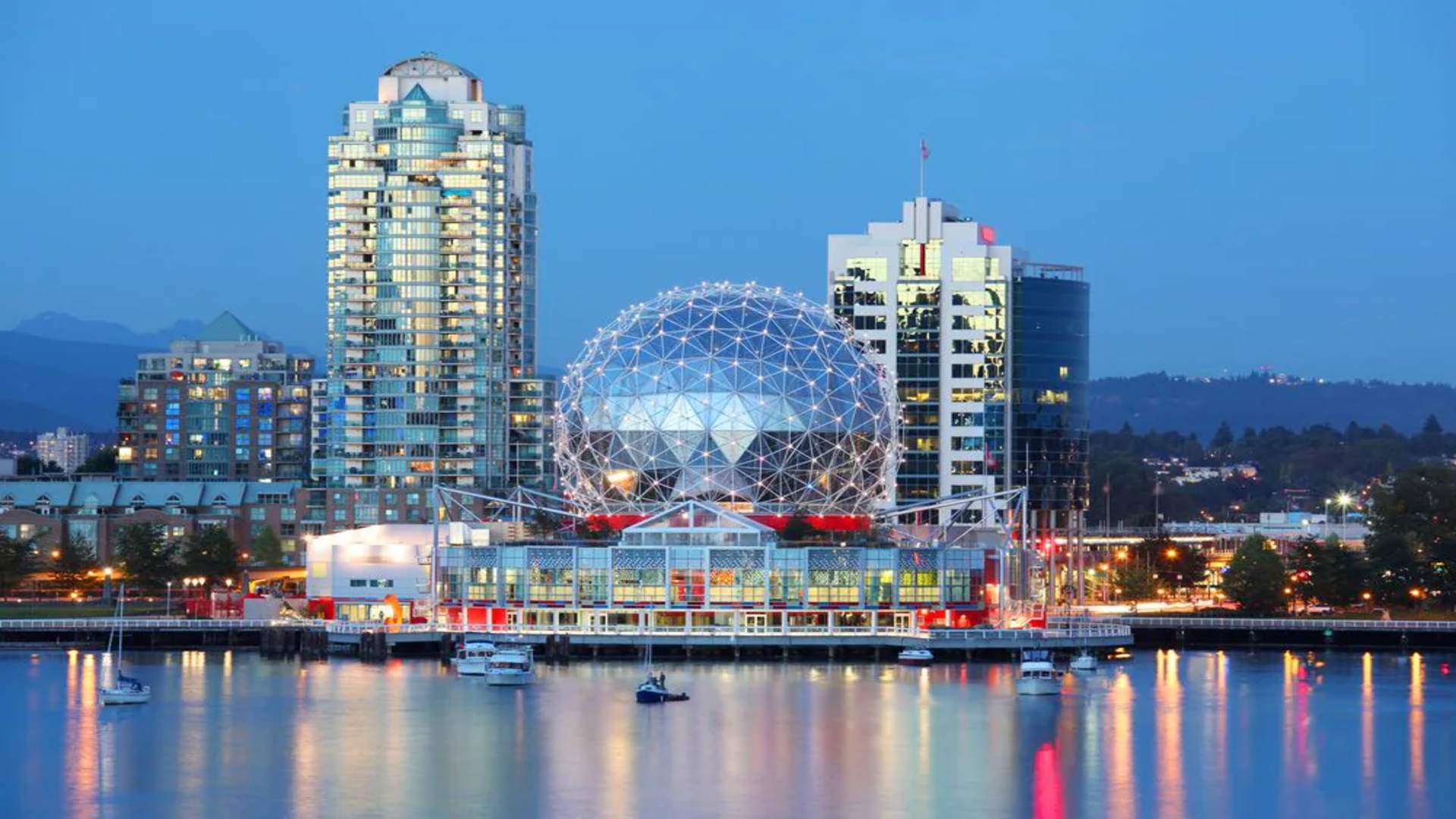
Vancouver, British Columbia, is probably the most picturesque city in North America, with mountain and ocean views and a postcard-worthy skyline. A lot of people don’t know that you don’t need to fly there. If you’re from anywhere along the West Coast or even further inland, a train to Vancouver is one of the best, most cost-effective, scenic ways to get there.
Why Take a Train to Vancouver? Top Reasons to Choose Rail Travel
Though flying occasionally seems faster on trips like Seattle to Vancouver, the total time it takes to get to the airport, clear security, and handle the drive and claims, etc, often makes the train the clear winner. Here are the many reasons that have made train travel much more appealing compared to the rest.
- No airport hassle. Amtrak stations are typically located in city centers, so there’s no long drive to a suburban airport, no TSA lines, and no arriving two hours early “just in case.” You can often show up 30-60 minutes before departure.
- Scenic, uninterrupted views. The route between Seattle and Vancouver hugs the Puget Sound coastline for long stretches, passing through small waterfront towns, farmland, and forested hills. It’s widely considered one of the most scenic short rail journeys in North America.
- Comfortable seating and space to move. Unlike a cramped economy airline seat, train seating comes with generous legroom, reclining seats, and the freedom to walk to a café car, stretch your legs, or work at a proper tray table.
- Environmentally friendlier travel. Rail travel generally produces a smaller carbon footprint per passenger compared to short-haul flights, which makes it an appealing choice for eco-conscious travelers.
- Predictable pricing. Train fares to Vancouver are usually far more stable than last-minute airfares, and booking a little in advance can get you meaningfully cheaper seats.
- A stress-free border crossing. Since mid-2026, U.S.-bound Amtrak Cascades trains benefit from a new “preclearance” arrangement at Vancouver’s Pacific Central Station, which means passengers go through customs before boarding rather than during a mid-route stop. This has shaved real time off the journey and made the crossing noticeably smoother.
- Family and pet-friendly. Kids can move around, bathrooms are on board, and there’s generally more flexibility with luggage than budget airlines allow.
- No baggage fees for the basics. Airlines have made checked bags and even carry-ons an added expense on many routes. Amtrak’s standard allowance for checked and carry-on bags is typically included in your fare, which adds real savings for travelers packing for more than a weekend.
- A genuinely social atmosphere. Café cars and open coach seating naturally encourage conversation in a way that a middle airplane seat never does. Many travelers say some of their best trip memories come from chatting with fellow passengers over coffee somewhere along the Puget Sound.
- Fewer weather-related disruptions. While no form of transportation is entirely immune to weather, trains are generally less prone to the kind of cascading delays and cancellations that fog, wind, or storms can cause at airports.
- To experience the laid-back nature of train travel, look no further than the views outside the window coupled with the ability to stroll through the aisles and get a hot beverage as you please, with plenty of elbow room. A train journey is bound to become a part of your holiday memories and not just a connection to your next destination.
Which Trains Go to Vancouver? Major Rail Services Explained
- Only one passenger rail line reaches Vancouver, BC from the US: Amtrak Cascades. Sponsored by both WSDOT and ODOT, the service is operated by Amtrak.
- Operating along the I-5 corridor of the Pacific Northwest, Amtrak Cascades travels between 18 stations, from Eugene in the south to British Columbia in the North, with important stops at Portland and Seattle.
Here’s a quick breakdown of the trains you’ll encounter when planning a trip to Vancouver:
| Train Service | Route Covered | Connects to Vancouver? |
| Amtrak Cascades | Eugene – Portland – Seattle – Vancouver, BC | Yes, direct daily service |
| Amtrak Empire Builder | Chicago – Spokane – Seattle/Portland | Connects to Cascades at Seattle |
| Amtrak Coast Starlight | Los Angeles – Sacramento – Portland – Seattle | Connects to Cascades at Seattle |
| VIA Rail Canada – The Canadian | Toronto – Vancouver (all-Canada route) | Yes, direct (from within Canada) |
- In 2026, Amtrak will introduce upgraded trains to the Cascades corridor. These trains will include power outlets, USB ports, and upgraded amenities with more seating. Additionally, future trains will have larger cafe cars. These amenities will begin to phase in and will arrive with the introduction of the new Airo Trainsets. Until then, travelers will be able to use the classic Cascades Trains.
- Amtrak Cascades currently runs between Seattle, WA, and Vancouver, BC (Canada) four times a day, providing round-trip service twice a day. There are also twelve daily Amtrak Cascades services between Seattle and Portland, OR. Some trains also travel directly between Portland and Vancouver, BC, crossing through Seattle to avoid an unwanted change.
Popular Train Routes to Vancouver From Major US Cities
Not every large U.S. city has access to a direct train to Vancouver, but almost all do have separate rail connections that require one or maybe even two connections. For the major connections, this is how they usually break down.
| From City | Route Type | Approx. Total Travel Time | Transfer Point(s) |
| Seattle, WA | Direct | 4 hours (approx.) | None |
| Portland, OR | Direct or 1 transfer | 6-7 hours | Seattle (for some trains) |
| Los Angeles, CA | Connecting | 2 days | Seattle (via Coast Starlight) |
| San Francisco/Oakland, CA | Connecting | 1.5-2 days | Seattle (via Coast Starlight) |
| Chicago, IL | Connecting | 2-3 days | Seattle (via Empire Builder) |
| New York, NY | Connecting | 3+ days | Chicago and Seattle, or via Toronto |
| Spokane, WA | Connecting | 1 day | Seattle (via Empire Builder) |
| Eugene, OR | Direct | 8-9 hours | None |
Note: Generally, travelers from the West Coast or Midwest should think of the transportation route as a two-segment trip. The first flight, or long train ride, would be to Seattle. After arriving in Seattle, you would take the scenic Amtrak Cascades short train ride to Vancouver. It is not possible to accomplish the same-day long-distance transportation from far-away cities. So almost everyone plans to have an overnight stop either in Seattle or Portland. This works out to be a great way to take breaks during a long travel day.
Let’s look a little closer at a few of the most popular starting points:
- From Los Angeles or the Bay Area: The Coast Starlight is the passenger train that travels along the coasts of California and Oregon and reaches Seattle. Besides being an easy way to travel a long distance, this train offers sleeper cars. This train is a good, relaxed alternative to traveling the long distance to Seattle. From LA, the train takes about one night, and you can complete the trip in two. It is common for people to take this entire journey as a vacation by stopping to enjoy all the major cities along the way, such as San Francisco, Portland, and Seattle, instead of taking this train as a single, direct trip.
- From Chicago: The Empire Builder takes about 46 hours to arrive in Seattle from all points east, beginning in Chicago. It’s a fun way to see the plains and the Rockies. Combining the Empire Builder with the short leg of The Cascades gets you into Vancouver and creates a unique experience with a long but memorable rail journey.
- From Spokane, Portland, or other Pacific Northwest cities: Some of the easiest starting points are single trains or same-day connections, as they are on or near the Cascades corridor.
NYC to Vancouver Train: Schedule, Duration & Ticket Tips
This is one of the most-searched train routes and deserves its own breakdown because there is no single direct train to take from New York City to Vancouver. Rather, there are two realistic ways to take the trains to piece the journey together.
Route Option 1: Through the United States
- Leg 1: New York Penn Station to Chicago on the Lake Shore Limited (roughly 19 hours, overnight)
- Leg 2: Chicago to Seattle on the Empire Builder (roughly 46 hours, two nights onboard)
- Leg 3: Seattle to Vancouver, BC on Amtrak Cascades (about 4 hours)
Note: It will take three days to complete this journey with connection times. It is a true cross-country rail adventure across the plains of the Midwest, the country of Montana’s Glacier National Park, and the Cascade Mountains before reaching the coast of the Pacific.
Route Option 2: Through Canada via VIA Rail
- Leg 1: New York to Toronto on the Maple Leaf
- Leg 2: Toronto to Vancouver on VIA Rail’s The Canadian, a multi-day transcontinental train
Note: This route has a more scenic route, offering views of the Canadian Rockies. Travelers, though, should account for a night in Toronto, as connections for VIA Rail and Amtrak may not be available.
| Factor | Via USA (Chicago + Seattle) | Via Canada (Toronto + VIA Rail) |
| Total Duration | ~3 days | ~4-5 days (with layover) |
| Scenery | Midwest plains, Rockies, Cascades | Canadian Shield, Prairies, Rockies |
| Connection Risk | Low to moderate | Moderate (overnight buffer recommended) |
| Overall Cost | Moderate | Higher (multi-night sleeper often needed) |
| Best For | Travelers wanting a shorter, more direct rail trip | Travelers wanting a bucket-list cross-Canada rail experience |
Booking tip: If you’re planning a vacation to book a train trip from New York City to Vancouver, you should purchase tickets separately rather than trying to find a single ticket, since not all combinations show as a single booking itinerary. Remember, this is a multi-day vacation; prepare for it! This trip should be done over a few days and not be rushed for a quick getaway!
What to expect onboard for the long haul: Like many long-distance trains, coaches of the Empire Builder and Lake Shore Limited both offer sleeper cars. A journey of this length lends itself to an upgrade, and upgrading to the sleeper room on the Lake Shore Limited is one of the more affordable upgrades. As the name implies, each sleeper roomette includes a room that converts to a bed and also includes meals in the adjacent dining car. Coaches remain the most cost-effective option and offer reclining seating, but longer trips will require you to sleep sitting up.
A realistic sample itinerary for NYC to Vancouver via the U.S. route:
- Day 1 (afternoon): Depart New York Penn Station on the Lake Shore Limited
- Day 2 (morning): Arrive Chicago Union Station; layover to explore or rest
- Day 2 (afternoon/evening): Depart Chicago on the Empire Builder
- Day 4 (morning): Arrive Seattle King Street Station
- Day 4 (afternoon): Board Amtrak Cascades to Vancouver, BC
- Day 4 (evening): Arrive Pacific Central Station, Vancouver
Note: This kind of trip is not for everyone, but for travelers looking to watch an entire country go by as they look out a train window, this trip is an unforgettable way to reach the Pacific coast, and perhaps the better definition of the journey being the destination, as opposed to considering transit to be simply a means to an end.
Vancouver Train Travel Tips for First-Time Passengers
If you’ve never ridden Amtrak or taken a cross-border train before, a few small tips can save you a lot of confusion.
- Carry a passport, not just an ID. All passengers crossing between the U.S. and Canada by train need a valid passport or another accepted form of proof of citizenship – a regular driver’s license is not enough.
- Arrive early for the Vancouver-bound trains. Even with faster preclearance procedures now in place, it’s smart to arrive at least an hour before departure for cross-border trips, since check-in and document verification take a few extra minutes compared to a normal domestic trip.
- Pack snacks, but also expect a café car. Most Cascades trains have a café or bistro car with sandwiches, snacks, coffee, and drinks, though prices are typical “captive audience” pricing, so bringing your own food can save money.
- Sit on the left side heading north. Passengers heading from Seattle to Vancouver often get better ocean views by choosing a window seat on the left-hand side of the train.
- Check your luggage limits. Amtrak generally allows two carry-on bags and a couple of checked bags for free on many routes, but rules can vary by station, so it’s worth double-checking before you pack.
- Download your ticket in advance. A mobile e-ticket saves time versus printing, and conductors can scan it directly from your phone.
- Charge your devices before boarding. Older Cascades trainsets may have limited outlets compared to the newer Airo trains being introduced, so a portable charger is a smart backup.
- Know that time zones don’t change. Vancouver and Seattle are both in the Pacific Time Zone, so you won’t need to adjust your watch on this particular route.
- Currency matters once you land. Once you cross into Canada, prices are in Canadian dollars. It’s worth having a card that doesn’t charge foreign transaction fees, or a small amount of Canadian cash for convenience, especially for local transit at Pacific Central Station.
- Cell service can vary near the border. Some U.S. phone plans automatically switch to roaming once you cross into Canada, which can result in unexpected charges. Check your carrier’s Canada travel policy before you go, or consider putting your phone in airplane mode with WiFi only if you’re not sure.
- Keep your customs declaration honest and simple. Cross-border rail passengers typically fill out a short customs declaration before or during travel. Answer accurately – trying to rush through or leave sections blank can slow things down for you and everyone around you.
- Bring entertainment for the ride. While newer trainsets include WiFi, coverage can be spotty in more remote stretches of the route, so downloading a show, podcast, or book beforehand is a smart backup.
- Dress in layers. Onboard temperatures can vary by car and by train, and Pacific Northwest weather is famously changeable, so layers make it easy to adjust throughout the trip.
Direct and Connecting Train Routes to Vancouver
Knowing how to differentiate an indirect route from a direct route can save you time and thinking in advance.
- Direct routes to Vancouver, BC are limited to Amtrak Cascades trains originating in Seattle, Bellingham, Everett, Mount Vernon, or Portland. These trains cross the border and pull straight into Pacific Central Station without requiring passengers to change trains.
- Connecting routes apply to travelers coming from farther away – think Los Angeles, Chicago, Denver, or New York. These trips require riding a long-distance train (like the Coast Starlight or Empire Builder) to a hub city, most commonly Seattle, and then transferring onto a Cascades train for the final leg into Canada.
- A general rule of thumb: if your starting point is within Washington or Oregon, you’re likely looking at a direct trip. If you’re coming from anywhere else in the country, plan for at least one connection – and build a comfortable buffer of two to three hours between trains in case of delays, since long-distance trains can occasionally run behind schedule.
Why connections matter more than they might seem: Amtrak’s “Guaranteed Connection” policy protects passengers booked on a single itinerary if a delay causes them to miss a connecting train – Amtrak will typically rebook you on the next available departure at no extra cost. However, this protection generally only applies when both legs are booked together as one reservation. If you book the Empire Builder and the Cascades train as two completely separate tickets, you take on the risk yourself if the first train runs late. For this reason, it’s almost always smarter to book connecting segments as a single itinerary through Amtrak whenever the option is available, rather than purchasing each leg independently.
Same-station vs. different-station connections. In Seattle, most connections happen at the same station – King Street Station handles both the Empire Builder/Coast Starlight arrivals and Cascades departures – which makes transfers simple. This is one of the underrated advantages of routing through Seattle rather than trying to piece together a trip through a city where you’d need to physically travel between two separate stations.
Business Class vs Coach on Vancouver Trains
Amtrak Cascades offers two seating options, and picking the right one depends on your budget and how much comfort matters to you on a roughly four-hour ride.
| Feature | Coach Class | Business Class |
| Seat Width & Legroom | Standard, comfortable recline | Wider seats with extra legroom |
| Refund Policy | Standard fare rules apply | Fully refundable if canceled before departure |
| Loyalty Points | Standard Amtrak Guest Rewards points | 25% bonus points for Guest Rewards members |
| Boarding | Standard boarding | Priority boarding and deboarding |
| Seating Car | Shared general seating | Dedicated, quieter car |
| Extras | None included | Coupon toward a café menu item; lounge access in Portland |
| Price Difference | Lower base fare | Typically $15-$40 more than coach, depending on route and demand |
Note: Most travelers pick coach class for shorter trips like the one from Seattle to Vancouver. Coach class is almost always the more popular choice. Business class is worth the extra cost if you want to cancel your ticket flexibly, ride in a quieter car, or if you are going during a busy time when priority boarding actually saves time. This is usually over a major event weekend.
- Who should choose Coach Class: Solo travelers, budget-conscious families, and anyone taking a short, straightforward trip who doesn’t need flexible cancellation. Coach seating on Cascades trains is genuinely comfortable – closer to a premium economy airline seat than a standard economy one – with a recline and enough width that a four-hour ride never feels cramped.
- Who should choose Business Class: Travelers on tight schedules who need the flexibility of a refundable ticket, business travelers who want a quieter car to work in, Amtrak Guest Rewards members looking to rack up bonus points faster, and anyone traveling around a major event when trains fill up quickly, and priority boarding means an easier time finding overhead space.
- A note on the new Airo trains: As the 2026 Airo trainsets roll out across the Cascades fleet, both coach and business class cabins are being upgraded with individual outlets, USB ports, and improved onboard WiFi – amenities that were previously less consistent across the older fleet. This is gradually narrowing the comfort gap between the two classes, though business class will still offer the wider seating and refund flexibility that coach doesn’t include.
Vancouver Train Station: Everything You Need to Know About Trains to Vancouver – Bellingham Station
There are two stations that matter for the journey, depending on which side of the border you are on, for which people search the “Vancouver train station.”
- Pacific Central Station (Vancouver, BC) is the actual final destination for Amtrak Cascades trains arriving in Canada. It’s a historic 1919 building located near downtown Vancouver, within walking distance of the SkyTrain (Vancouver’s rapid transit system), making it easy to reach hotels, Chinatown, and downtown attractions without needing a taxi. This station also handles VIA Rail’s domestic Canadian services, so it’s a genuine multi-purpose rail hub.
- Bellingham Station (Washington, USA) plays an important supporting role for this route. It’s the last major U.S. stop before the train crosses into Canada, and it’s a useful boarding point for travelers coming from areas closer to the northern part of Washington State rather than starting all the way south in Seattle. Bellingham is roughly 20-25 miles from the Canadian border, and boarding here can shave time and cost off your trip if you live nearby or are visiting the San Juan Islands area first.
| Station | Country | Role in the Journey | Nearby Access |
| Pacific Central Station | Canada | Final Vancouver destination | SkyTrain, downtown Vancouver, bus routes |
| Bellingham Station | USA | Last major U.S. stop before the border | Local transit, close to Washington’s northern coast |
| King Street Station (Seattle) | USA | Main southern boarding hub | Seattle downtown, light rail, bus connections |
- Good to know: Because Bellingham is so close to the border, travel time from Bellingham to Vancouver is short – generally under two hours – making it a smart option for a quicker, more affordable cross-border day trip if your starting point is already in northern Washington.
- What arriving at Pacific Central Station looks like. After your train pulls in, you’ll disembark inside a grand, high-ceilinged waiting hall that has served rail passengers since 1919. Taxis and rideshare pickup points are available directly outside, and the Main Street-Science World SkyTrain station is just a short walk away, putting downtown Vancouver, Gastown, and Chinatown within easy reach in under 15 minutes without needing a car. There are also luggage storage options and a small selection of food and coffee vendors inside the station for travelers with time to spare before their next connection.
- Why Bellingham deserves more attention than it gets. Many travelers overlook Bellingham entirely, defaulting to Seattle as their starting point simply because it’s the bigger, more well-known city. But if you’re coming from Vancouver Island via ferry, visiting the San Juan Islands, or simply live in the northern Puget Sound area, boarding in Bellingham instead of backtracking to Seattle can save both time and money. It’s a smaller, easier station to navigate, too, with less congestion than the bigger hubs.
How to Book Train Tickets to Vancouver: Step-by-Step Guide
Booking a train to Vancouver is straightforward once you know the process. Here’s how to do it without any guesswork.
- Decide your starting station. Identify whether you’re departing from Seattle, Portland, Bellingham, Eugene, or connecting from a longer-distance train elsewhere in the country.
- Go to Amtrak’s official website or app. Enter your departure city and “Vancouver, BC” (station code VAC) as your destination, along with your travel date.
- Compare available departures. You’ll typically see a couple of daily direct trains between Seattle and Vancouver, along with fare and duration details for each.
- Choose coach or business class. Review the price difference and decide based on your budget and comfort preferences.
- Have your passport details ready. Since this is an international route, you may be asked to confirm citizenship/document information during checkout.
- Select seats if available. Some Cascades trains allow seat selection during booking; others assign seats at boarding.
- Pay and receive your e-ticket. Save the mobile ticket or print a copy as a backup.
- Arrive early on travel day. Head to the station at least 45-60 minutes before departure to allow time for check-in and boarding, especially for cross-border trips.
- Keep your ticket and passport accessible. You’ll need both again during the trip, particularly around the customs/preclearance process.
Pro tip: Booking 7 to 14 days in advance almost always locks in a noticeably lower fare compared to booking a day or two before departure, especially during peak travel seasons or big events in either city.
- Booking through third-party sites vs. Amtrak directly. Several travel comparison sites also list Amtrak Cascades fares, and while they can be useful for comparing options at a glance, booking directly through Amtrak’s own website or app is generally the safest bet – it avoids potential added service fees, gives you direct access to Amtrak customer support if something changes, and makes managing refunds or changes far simpler.
- Managing or canceling a booking. Amtrak allows most tickets to be modified or refunded online, though the exact refund amount you’re entitled to depends on your fare type and how close to departure you cancel. Business Class tickets are typically fully refundable if canceled before the train departs, while lower-cost coach fares may carry partial refund or credit-only policies. Always check the specific fare rules shown at checkout before completing your purchase.
- Group and family bookings. If you’re booking for more than a couple of passengers, it’s worth calling Amtrak or checking for group travel discounts, since some routes offer reduced group rates that aren’t always visible in the standard online booking flow.
Vancouver Train Ticket Price: How Much Does It Cost & How to Save Money
Ticket prices for the Seattle-Vancouver route (the most common starting point) vary based on how far ahead you book, the time of day, and demand.
| Booking Scenario | Approximate One-Way Price (USD) |
| Booked 2+ weeks in advance | $29 – $45 |
| Booked 3-7 days in advance | $40 – $65 |
| Booked last-minute (1-2 days) | $55 – $90+ |
| Business Class (any timing) | Add roughly $15 – $40 to coach fare |
| Round-trip, booked early | $34 – $90 total, depending on dates |
Note: Prices can climb noticeably during major events – for example, increased demand tied to international sporting events or summer holiday weekends has historically pushed fares toward the higher end of the range.
How to save money on your Vancouver train ticket:
- Book early. The single biggest factor in price is how far ahead you purchase your ticket.
- Travel on weekdays. Weekday departures, especially early morning ones, tend to be cheaper than weekend or evening trains.
- Avoid peak season without flexibility. If your travel dates are flexible, shifting a trip by even a day or two around holidays can mean a meaningfully lower fare.
- Sign up for Amtrak Guest Rewards. It’s free to join, and you can earn points toward future travel even in coach class.
- Bundle with a rail vacation package. Occasionally, multi-day rail vacation packages that include Seattle, Vancouver, and Victoria sightseeing work out to be a better value than booking each leg separately if you’re already planning a longer Pacific Northwest trip.
- Bring your own snacks and drinks. Café car pricing adds up quickly on longer trips, so packing your own reduces incidental costs.
- Watch for seasonal promotions. Amtrak occasionally runs limited-time sales or companion discounts, particularly during shoulder seasons when trains run less full – it’s worth checking their promotions page before booking if your dates are flexible.
- Consider a multi-city rail pass if you’re exploring further. If Vancouver is just one stop on a bigger Pacific Northwest trip, a USA Rail Pass or similar multi-ride ticket could work out cheaper than booking each segment individually, depending on how many stops you’re planning.
- Hidden costs to plan for. Beyond the ticket price itself, budget a little extra for café car meals if you don’t pack your own food, local transit once you arrive at Pacific Central Station (a SkyTrain fare into downtown Vancouver is inexpensive but not free), and any currency conversion fees if your card charges them. None of these add up to much compared to airfare and airport parking, but it’s worth knowing about them going in.
Best Time to Visit Vancouver by Train: Seasonal Travel Tips
Vancouver is a year-round destination, but your experience – and your ticket price – will vary quite a bit depending on the season.
- Spring (March-May): Mild weather, blooming cherry blossoms around the city, and generally lower crowds make this a great sweet-spot season. Train fares tend to be moderate, and scenery along the coastal route starts turning green again.
- Summer (June-September): This is peak season. Longer daylight hours make the coastal scenery on the Cascades route especially beautiful, but expect higher fares, fuller trains, and the need to book well in advance – particularly around major events or long weekends.
- Fall (October-November): A quieter, often underrated time to visit. Fares typically drop from summer highs, and the autumn colors along the route add their own charm. Rain becomes more common, so pack accordingly.
- Winter (December-February): The off-season for rail travel to Vancouver. Prices are usually at their lowest, and the city takes on a cozy, festive character around the holidays. The trade-off is shorter daylight hours for scenic viewing and a higher chance of rain along the coast.
| Season | Crowd Levels | Typical Fare Range | Best For |
| Spring | Low-Moderate | Moderate | Cherry blossoms, mild weather |
| Summer | High | Highest | Long daylight, scenic views, events |
| Fall | Moderate | Moderate-Low | Fewer crowds, autumn colors |
| Winter | Low | Lowest | Budget travel, holiday atmosphere |
Note: If your main priority is saving money, aim for late fall or winter (outside major holidays). If scenery and daylight matter most, summer is unbeatable – just book early.
- Events worth planning around. Vancouver hosts a busy calendar of festivals, sporting events, and conventions throughout the year, and major events can meaningfully affect both train fares and hotel availability. If you know a big event is happening during your travel window, book your train tickets earlier than usual – sometimes a month or more ahead – to avoid the steepest last-minute pricing.
- Weather realities to plan for. The Pacific Northwest is known for rain, especially between November and March, so if you’re traveling in the cooler months, pack a good waterproof jacket rather than just an umbrella, since coastal winds can make umbrellas impractical. Summer, by contrast, tends to be surprisingly dry and mild, rarely reaching uncomfortable heat, which is part of why it’s such a popular season for both the train ride itself and sightseeing once you arrive.
Train vs Bus vs Car to Vancouver: Which Is the Best Way to Travel?
For the Seattle-to-Vancouver leg specifically – the most common starting point for this trip – travelers usually weigh three main options. Here’s an honest comparison.
| Factor | Train (Amtrak Cascades) | Bus (Flixbus/Greyhound) | Car (Driving) |
| Travel Time | ~4 hours | ~4-4.5 hours | 2.5-4+ hours (traffic and border dependent) |
| Typical One-Way Cost | $29-$90 | $25-$50 | Gas + tolls + parking (varies) |
| Comfort | High (recline, café car, space to move) | Moderate | Depends on driver fatigue |
| Border Crossing Stress | Low (preclearance handled efficiently) | Moderate (bus stops for inspection) | Can vary widely based on traffic/wait times |
| Scenery | Excellent, coastal views | Good, but window seats aren’t guaranteed | Good, but the driver misses most of it |
| Flexibility | Fixed schedule | Fixed schedule | Full flexibility, but added parking costs in Vancouver |
| Best For | Comfort-focused travelers, scenic trips | Budget travelers | Groups, or those wanting side stops along the way |
Bottom line: If comfort and scenery matter to you, the train is the clear winner for this route. If you’re traveling solo on the tightest possible budget, the bus can occasionally undercut train fares. Driving makes the most sense if you’re traveling with a group and splitting gas costs, or if you want the flexibility to stop at places like Bellingham, the San Juan Islands area, or other spots along the way – but keep in mind that parking in downtown Vancouver isn’t cheap, and border wait times by car can sometimes be longer and less predictable than the train’s preclearance process.
Frequently Asked Questions
1. Is there a direct train from the USA to Vancouver, BC?
Yes. Amtrak Cascades runs direct trains between the U.S. Pacific Northwest (Seattle, Bellingham, Everett, Mount Vernon, and Portland) and Vancouver, BC, with no train changes required for these routes.
2. Do I need a passport to take the train to Vancouver?
Yes, all passengers must carry a valid passport or another accepted proof of citizenship to cross the border by train, regardless of age.
3. How long does the train from Seattle to Vancouver take?
The trip typically takes around four hours, though exact times can vary slightly by train and season.
4. How much does a train ticket from Seattle to Vancouver cost?
Fares generally range from about $29 to $90 one-way depending on how early you book and current demand, with round-trip fares often falling between roughly $34 and $90 total when booked in advance.
5. Is there a direct train from New York City to Vancouver?
No single direct train exists. Travelers typically connect through Chicago and Seattle using the Lake Shore Limited, Empire Builder, and Amtrak Cascades, or alternatively travel through Toronto using Amtrak’s Maple Leaf and VIA Rail Canada’s transcontinental train.
6. What is the main train station in Vancouver, BC?
Pacific Central Station is the primary rail terminal in Vancouver, serving both Amtrak Cascades from the U.S. and VIA Rail’s domestic Canadian services.
7. Is Business Class worth it on the Vancouver train?
It depends on your priorities. Business Class offers wider seating, priority boarding, and a fully refundable fare, which can be worthwhile for travelers who value comfort and flexibility, but Coach Class is perfectly comfortable for the roughly four-hour trip.
8. Can I bring luggage on the train to Vancouver?
Yes, Amtrak generally allows a set number of carry-on and checked bags at no extra charge, though it’s a good idea to check specific limits for your exact route before traveling.
9. What is the cheapest way to travel to Vancouver from the US?
Booking a train ticket at least two weeks in advance, traveling on a weekday, and avoiding peak summer dates typically results in the lowest fares, though budget buses can occasionally be a few dollars cheaper for solo travelers.
10. What is the best time of year to take the train to Vancouver?
Spring and fall offer a good balance of pleasant weather, lower crowds, and moderate fares, while winter offers the cheapest tickets and summer offers the best scenic daylight views at the highest prices.